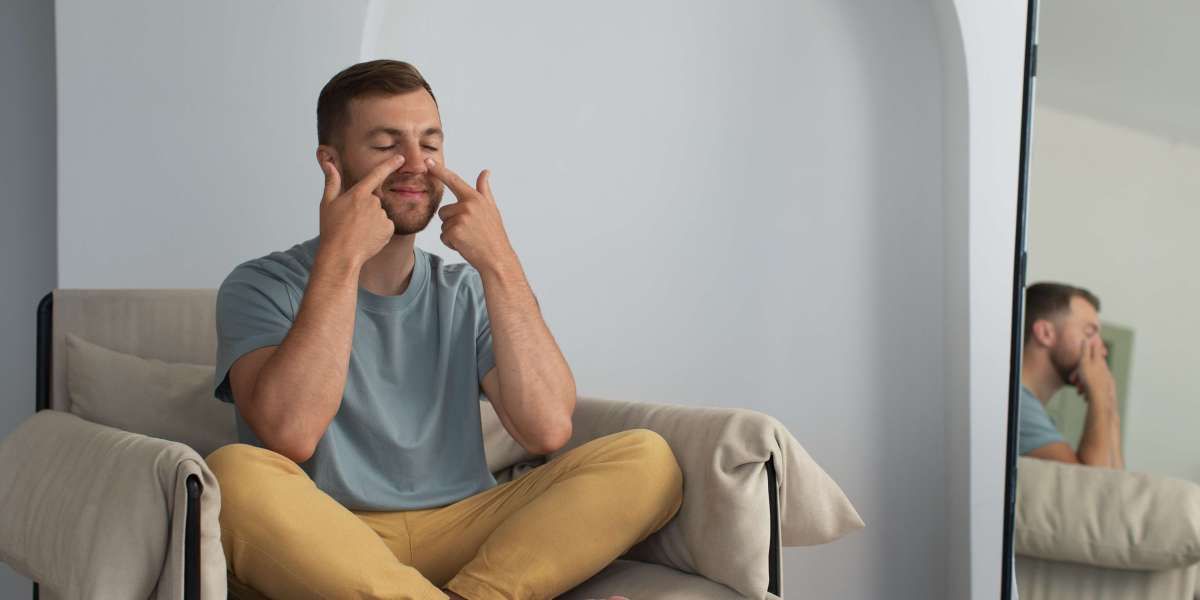

Erectile dysfunction (ED) is often misunderstood as a purely physical condition. While blood flow, hormones, and cardiovascular health play critical roles, one powerful factor is frequently overlooked: the nervous system. In today’s high-stress world, anxiety has become one of the most common silent contributors to erectile difficulties—especially in younger and otherwise healthy men.
Understanding how anxiety affects sexual performance begins with recognizing how the nervous system works, how quickly it can be calmed, and how targeted treatments can support recovery. This article explores the hidden connection between anxiety and ED, explains how you can calm your nervous system in as little as 60 seconds, and discusses treatment approaches that include well-known ED medications such as Kamagra.
Understanding the Nervous System’s Role in Sexual Function
The male sexual response is controlled by the autonomic nervous system, which has two main branches:
-
Sympathetic nervous system – responsible for the “fight or flight” response
-
Parasympathetic nervous system – responsible for “rest and relaxation,” including sexual arousal
For an erection to occur, the parasympathetic system must dominate. It allows blood vessels in the penis to relax and fill with blood. However, anxiety activates the sympathetic system, sending stress hormones like cortisol and adrenaline into the bloodstream. This creates a physiological environment where erections become difficult or impossible.
In simple terms, the body cannot prioritize sexual performance when it believes it is under threat.
How Anxiety Directly Contributes to Erectile Dysfunction
Anxiety-related ED often develops gradually and can persist even when no physical cause is present. Common mechanisms include:
1. Performance Anxiety
Worrying about sexual performance creates a self-reinforcing cycle. A single episode of ED can trigger fear of recurrence, which increases anxiety during future encounters and worsens the problem.
2. Chronic Stress and Cortisol Overload
Long-term stress elevates cortisol levels, which suppress testosterone production and impair nitric oxide signaling—both essential for erections.
3. Nervous System Overstimulation
Constant mental stimulation, lack of sleep, excessive screen time, and work pressure keep the nervous system in a heightened state, preventing sexual relaxation.
4. Reduced Blood Flow Response
Anxiety causes blood vessels to constrict, diverting blood away from the penis toward vital organs needed for perceived survival.
Why Anxiety-Related ED Is Increasing
Modern lifestyles have significantly increased nervous system dysregulation. Contributing factors include:
-
High-pressure work environments
-
Financial stress
-
Excessive caffeine or stimulant use
-
Poor sleep quality
-
Social media and digital overload
-
Reduced physical activity
As a result, anxiety-induced ED is no longer limited to older men. It is increasingly reported in men under 40, many of whom have no underlying medical conditions.
Calm Your Nervous System in 60 Seconds: Practical Techniques
The good news is that the nervous system responds rapidly to targeted interventions. Below are evidence-based techniques that can calm anxiety in as little as one minute.1. Physiological Sigh Breathing
This technique resets the nervous system by reducing carbon dioxide buildup.
-
Inhale deeply through the nose
-
Take a second short inhale without exhaling
-
Slowly exhale through the mouth
-
Repeat for 60 seconds
This method signals safety to the brain and reduces sympathetic overactivity.
2. Extended Exhale Breathing
Lengthening the exhale activates the vagus nerve.
-
Inhale for 4 seconds
-
Exhale for 6–8 seconds
-
Repeat for one minute
This technique is particularly effective before intimacy.
3. Grounding Through Muscle Relaxation
Briefly tense and release large muscle groups such as the thighs and shoulders. This releases stored physical tension and shifts the body into a relaxed state.
4. Sensory Reset
Splashing cold water on the face or holding a cold object for 30–60 seconds can interrupt anxious thought patterns and stabilize the nervous system.
The Role of ED Medications in Anxiety-Related ED
While calming techniques address the root cause, medication can provide confidence and reliability during recovery—especially when anxiety has created a psychological barrier.
How Medications Help
ED medications enhance blood flow by improving nitric oxide signaling. This helps override anxiety-induced vasoconstriction and restores erectile response.
Kamagra and Anxiety-Linked ED
Kamagra, which contains sildenafil citrate, is commonly used to treat erectile dysfunction by increasing blood flow to the penile tissue. For men experiencing anxiety-related ED, Kamagra can:
-
Improve erection reliability
-
Reduce fear of sexual failure
-
Break the anxiety-performance cycle
-
Restore sexual confidence
When psychological stress is reduced through consistent positive experiences, the nervous system gradually relearns that sexual activity is safe rather than threatening.
Combining Nervous System Regulation with Treatment
The most effective approach to anxiety-related ED is integrative, combining lifestyle changes, mental conditioning, and medical support when appropriate.
Recommended Strategy
-
Practice daily nervous system calming techniques
-
Improve sleep quality and stress management
-
Reduce stimulants such as caffeine and nicotine
-
Use ED medication like Kamagra as a supportive tool, not a sole solution
This combination addresses both the cause and the symptom.
Lifestyle Habits That Support Long-Term Recovery
Beyond immediate calming techniques, consistent habits are essential for long-term improvement:
-
Regular physical activity to regulate cortisol
-
Mindfulness or meditation to reduce anxiety baseline
-
Balanced nutrition to support hormone health
-
Open communication with partners to reduce performance pressure
Over time, these changes help restore natural erectile function by stabilizing the nervous system.
When to Seek Professional Support
If ED persists despite lifestyle changes and medication, consulting a healthcare professional is recommended. Anxiety disorders, hormonal imbalances, or cardiovascular factors may require targeted treatment.
Early intervention often prevents the condition from becoming chronic.
Final Thoughts
Erectile dysfunction is not always a sign of physical failure. In many cases, it is a nervous system issue driven by anxiety and chronic stress. The ability to calm your nervous system—even in as little as 60 seconds—can make a meaningful difference in sexual performance.
When combined with supportive treatments such as Kamagra, nervous system regulation can help break the cycle of anxiety and ED, restoring confidence, intimacy, and overall well-being.
Understanding and addressing the mind-body connection is not just beneficial—it is essential for lasting sexual health.